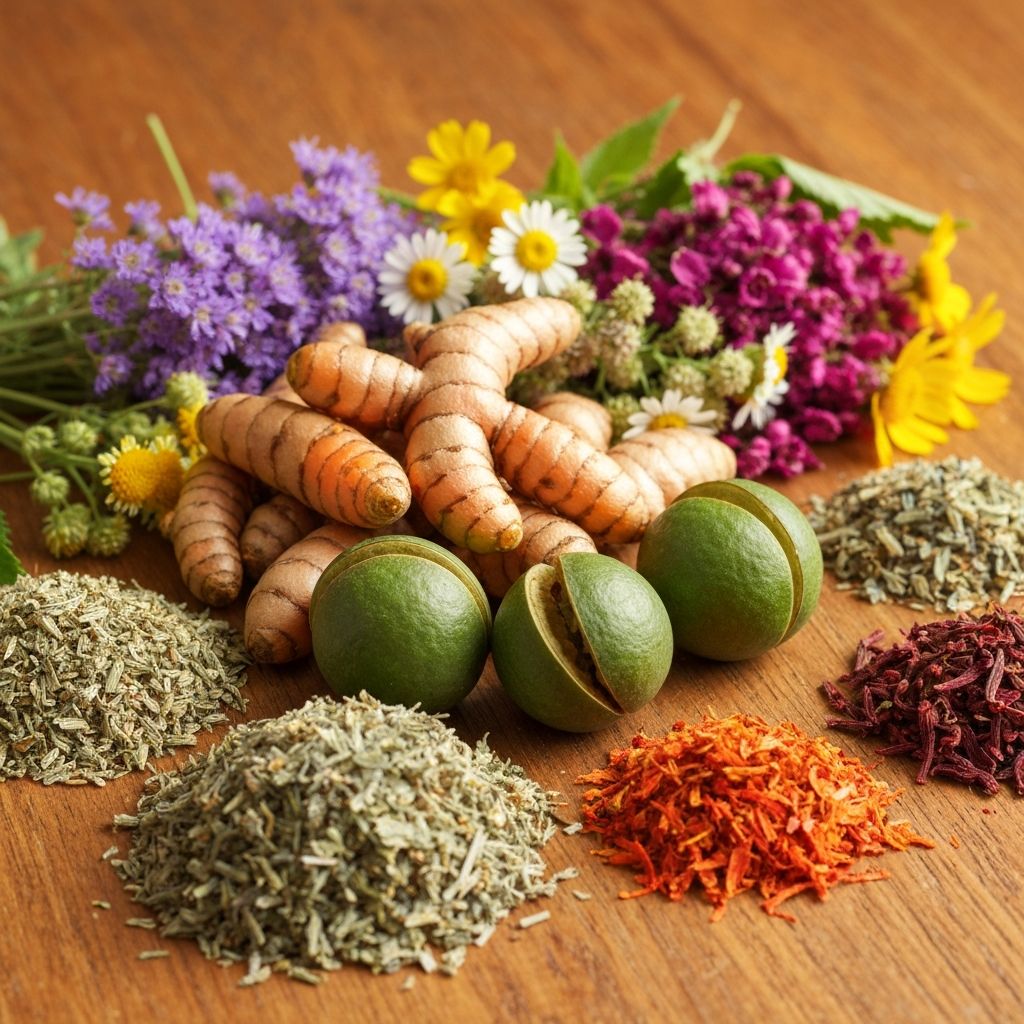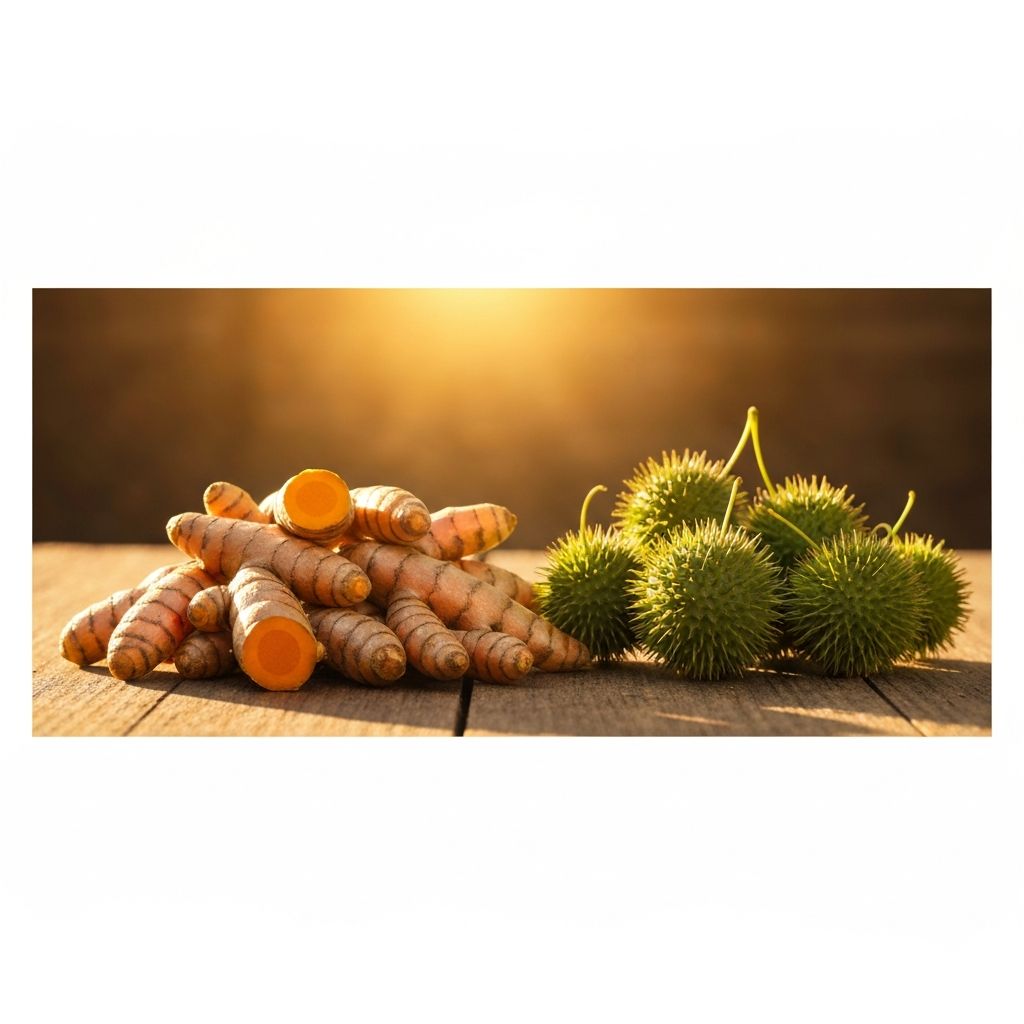
Fresh turmeric rhizomes and tribulus fruits

Curcuma longa & Tribulus terrestris

Traditional plants in Central European and Mediterranean herbal knowledge

Curcuma longa Rhizome Profile

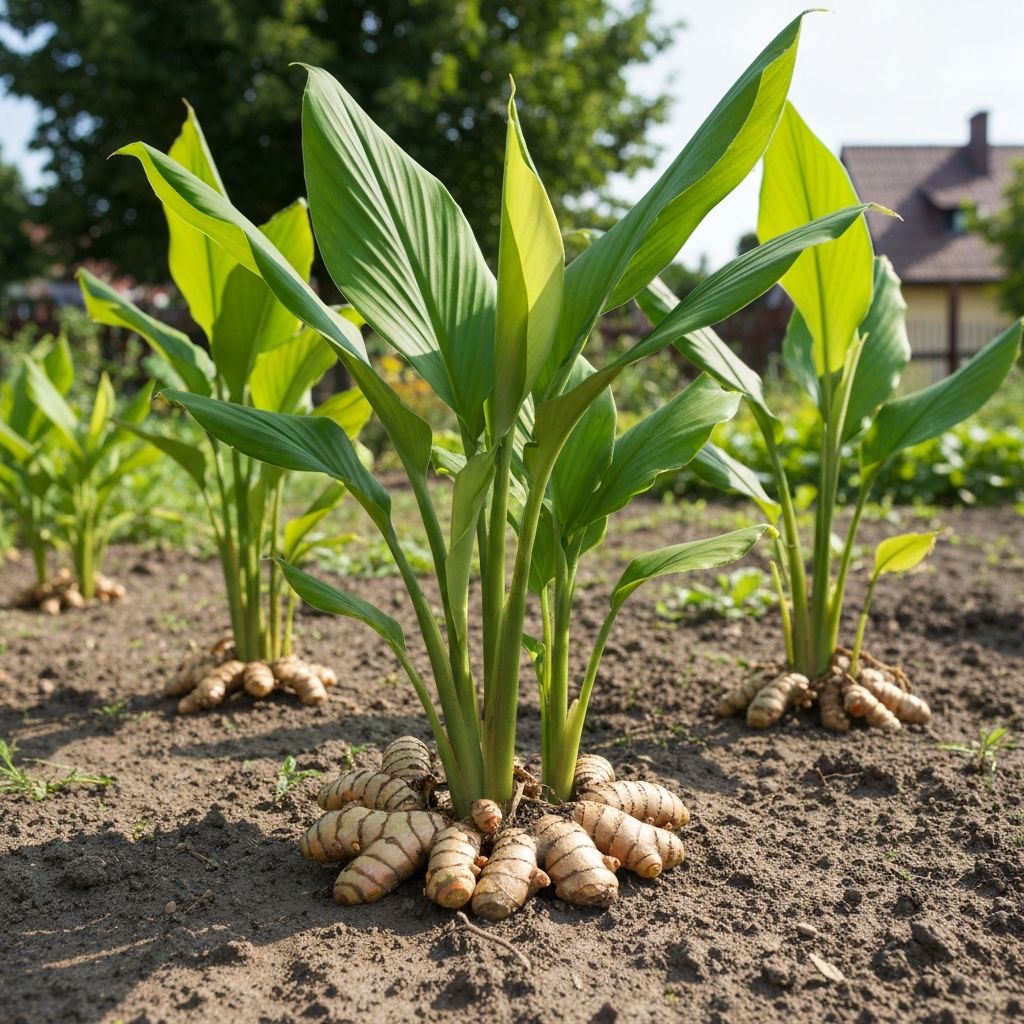
Curcuma longa turmeric plant and rhizomes

Botanical Characteristics

Curcuma longa, commonly known as turmeric or Ostryż długi in Polish, is a perennial herbaceous plant belonging to the Zingiberaceae family. The plant features distinctive rhizomes with a warm golden-yellow color and aromatic properties that have made it significant in various culinary and traditional practices across cultures.

Historical Introduction to Europe

Turmeric's journey to Central Europe, including Poland, occurred primarily through Mediterranean trade routes and cultural exchanges. While not native to the region, the spice became integrated into traditional European herbalism, particularly through Polish and Central European folk knowledge inherited from historical commerce with India and the Mediterranean basin. The rhizome has been documented in traditional European herbal texts since the Middle Ages.

Traditional Uses in Regional Context

In Central European traditions, turmeric rhizomes have been valued in daily wellness practices related to general comfort and support for active lifestyles. The plant has appeared in traditional preparations, folk remedies, and cultural rituals centered around maintaining physical vitality and general well-being without medical claims.
Tribulus terrestris Fruit Description

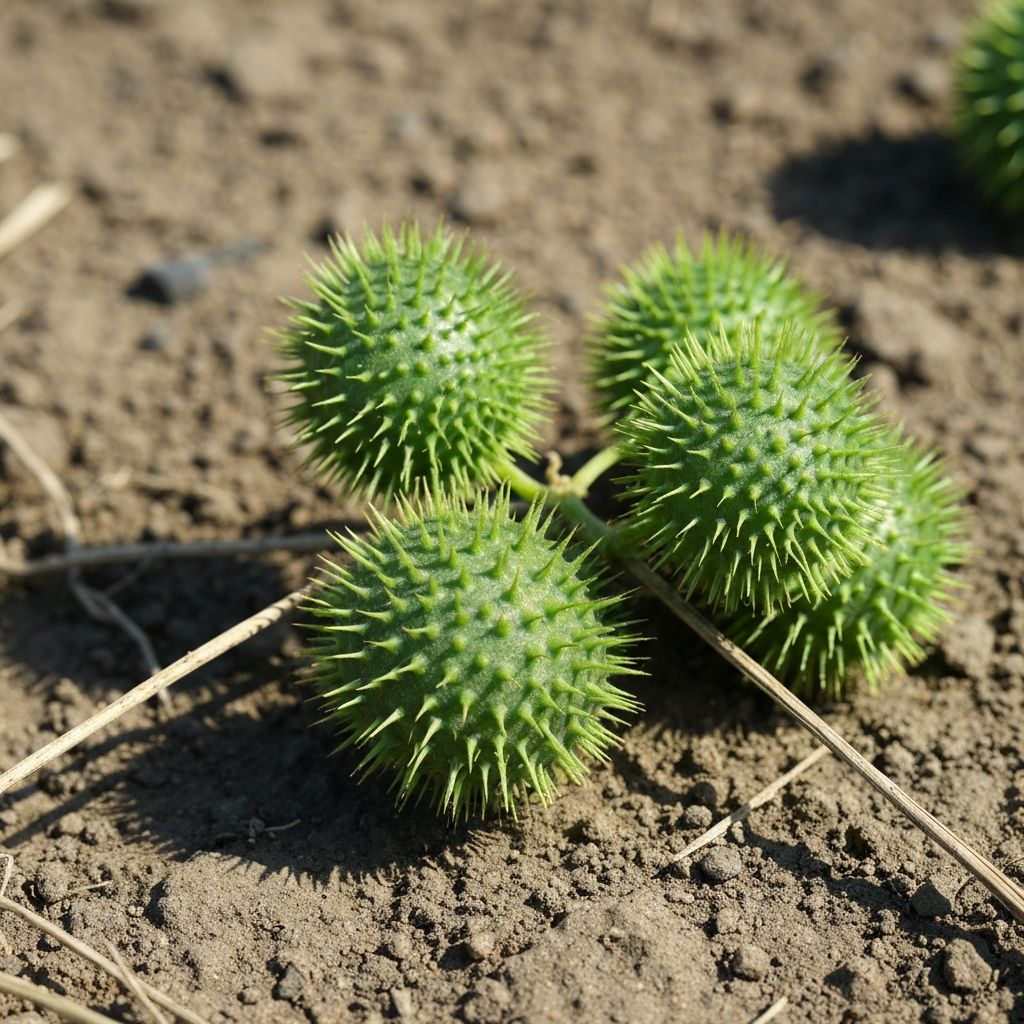
Tribulus terrestris spiky fruits

Botanical Traits

Tribulus terrestris, known as Tribulus ziemny in Polish, is a creeping herbaceous plant with distinctive spiky seed pods. The plant thrives in warm, arid climates and produces small, hard fruits with characteristic sharp projections. These fruits are the primary part utilized in traditional herbal knowledge and have been valued across multiple cultures for their unique properties.

Traditional Names in Central Europe

The plant carries various traditional names in Central European languages, reflecting its long-standing presence in regional folk knowledge. In Polish tradition, it is recognized through historical texts and regional herbal practices, indicating cultural integration through Mediterranean trade influences that brought the plant to Central European awareness.

Cultural Role in Traditional Practices

Tribulus fruits have been incorporated into traditional Central European wellness practices, particularly in folk preparations aimed at supporting general physical comfort and everyday bodily vitality. The plant has featured in regional herbal combinations and traditional remedies, especially within contexts related to maintaining active, healthy lifestyles in accordance with historical customs.

Traditional Preparation Techniques

Rhizome Powdering

Traditional methods of preparing Curcuma longa rhizomes involve drying and grinding the roots into fine powder. This ancient technique has been employed for centuries across multiple cultures. In Central European practices, dried rhizomes were ground using mortar and pestle or traditional mills, creating a vibrant golden powder utilized in various preparations.

Fruit Decoctions

Tribulus terrestris fruits have been traditionally prepared through decoction methods, where dried fruits are steeped or simmered in water. This folk preparation method was designed to extract the soluble components of the fruits, creating liquid preparations used in traditional wellness rituals and daily routines.

Folk Methods and Pastes

Beyond powdering and decoctions, traditional folk methods include creating paste preparations from fresh or dried rhizomes. These pastes were combined with other regional ingredients such as honey, oil, or additional herbs, reflecting the creative application of local knowledge in creating wellness preparations aligned with daily practices and seasonal availability.

Key Phytochemical Groups

Curcuminoids in Turmeric

Curcuma longa rhizomes contain a group of compounds known as curcuminoids, which consist primarily of curcumin, demethoxycurcumin, and bisdemethoxycurcumin. These compounds represent the main bioactive constituents found in the rhizome and have been traditionally recognized for their characteristic color and properties in folk preparations.

Saponins in Tribulus

Tribulus terrestris fruits contain various saponin compounds, including furostanol and spirostanol saponins, with protodiosyn being a notable constituent. These compounds have been historically documented in traditional herbal knowledge and represent key components that distinguish Tribulus fruits in traditional preparations.

Role of Plant Polyphenols in Traditional Knowledge

Both plants contain various polyphenolic compounds that have been recognized in traditional European and Mediterranean herbalism. The presence of these natural compounds has contributed to the cultural and historical significance of these plants in folk wellness practices throughout Central Europe and neighboring regions.

Cultural Role in Active Practices

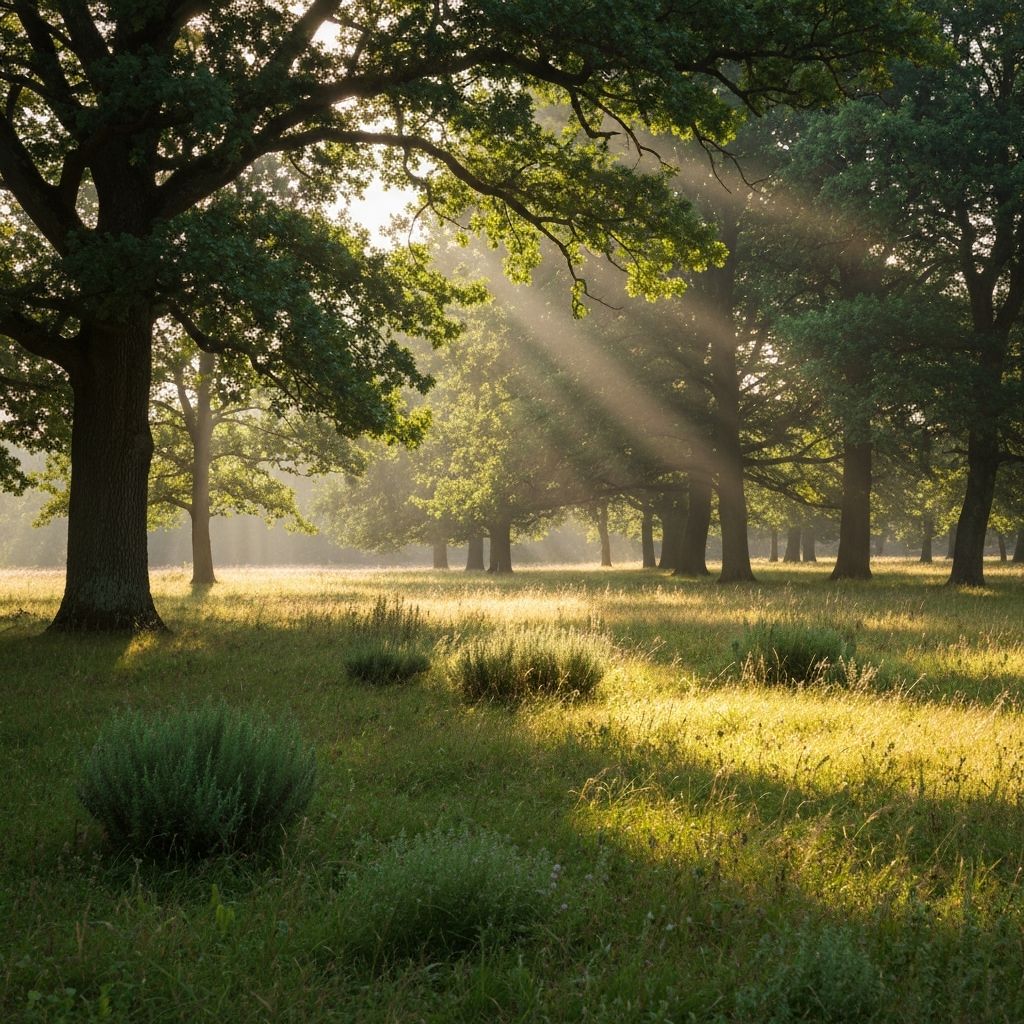
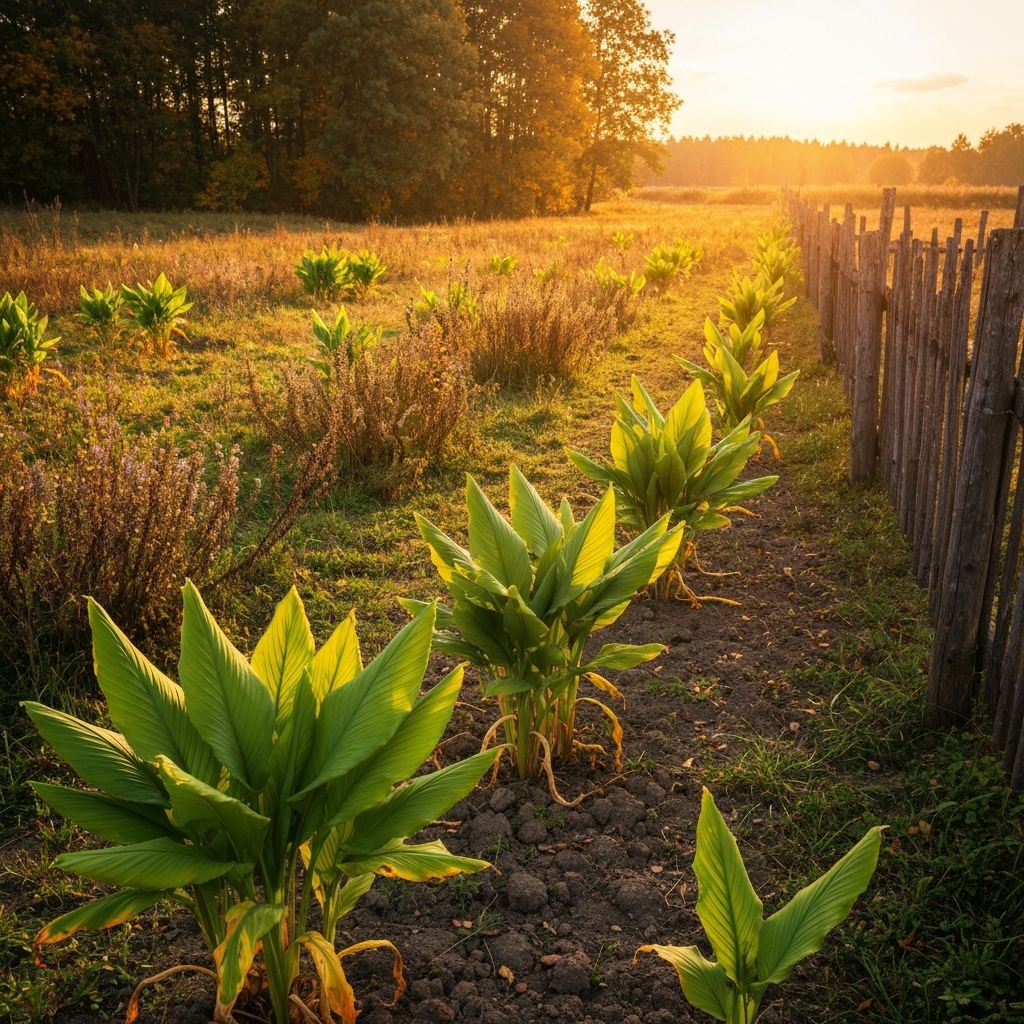
Autumn Polish landscape with traditional herbs

Historical Wellness Integration

Both Curcuma longa and Tribulus terrestris have held significant places in traditional Central European and Mediterranean wellness cultures that valued active, engaged lifestyles. These plants were incorporated into daily routines and seasonal practices designed to support general physical vitality and everyday bodily comfort without medical or therapeutic claims.

Place in Active Lifestyle Traditions

In historical European folk knowledge, these plants were featured in wellness rituals and practices that complemented active living. They appeared in traditional beverages, preparation methods, and cultural ceremonies related to maintaining physical vigor and supporting individuals engaged in regular daily activities and movement.

Role in Community Wellness Practices

Communities across Central Europe and the Mediterranean maintained traditional knowledge about these plants' preparation and use within contexts of general wellness and community health support. The plants featured in cultural exchanges, regional trade, and the development of local herbalist traditions that valued natural sources for everyday well-being.

Herbal Pairing Examples

Traditional composition of turmeric and tribulus with herbs

Traditional Combinations in Regional Lore

In Central European and Mediterranean traditional knowledge, Curcuma longa and Tribulus terrestris have been historically combined with other regional plants and spices. These pairings reflected local availability, cultural preferences, and accumulated knowledge about complementary herbal properties developed over centuries of traditional practice.

Regional Herbal Blends

Folk preparations frequently combined turmeric with other warming spices such as black pepper, ginger, and cinnamon, reflecting traditional Ayurvedic influences that reached Europe. Tribulus was similarly paired with other regional herbs valued in traditional wellness practices, creating complex blends that held cultural significance in various European communities.

Cultural Significance of Plant Synergies

The traditional practice of combining these plants with others represented accumulated cultural knowledge about complementary flavors, aromas, and properties. These combinations were developed through centuries of experimentation and have been preserved in folk recipes, traditional herbals, and family knowledge passed through generations in Central European communities.

Diaphragmatic Breathing for Activity

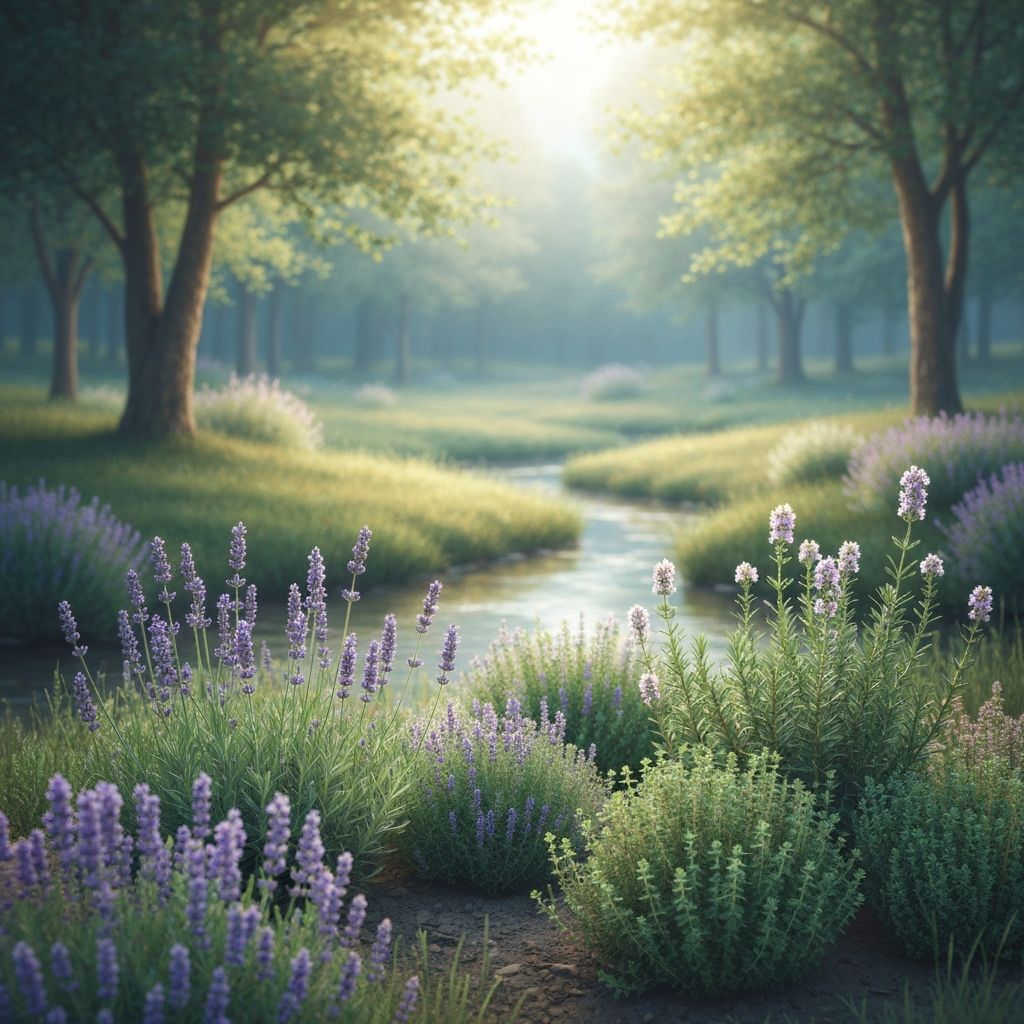
Calm nature landscape for breathing practice

Traditional Breathing Patterns

Simple diaphragmatic breathing represents a fundamental technique found across traditional wellness practices. This natural breathing pattern, also known as belly breathing, has been valued in various cultural traditions for its role in supporting relaxation and promoting a sense of calm during daily activities.

Supporting General Comfort

Diaphragmatic breathing is traditionally recognized as a method for promoting overall comfort and ease in the body. The technique engages the diaphragm muscle, allowing for deeper, more complete breathing patterns that have been traditionally associated with relaxation and general well-being in everyday contexts.

Integration into Daily Routines

Many traditional wellness cultures have incorporated diaphragmatic breathing into daily routines, particularly before or after physical activity. The technique represents a simple, accessible practice available to everyone, reflecting traditional knowledge about supporting the body's natural capacity for relaxation and recovery throughout the day.

Quick Relaxation Methods

Peaceful nature setting for relaxation

Body Awareness Pauses

Traditional wellness practices emphasize brief moments of body awareness and mindfulness throughout the day. These simple pauses involve taking time to notice physical sensations, tension patterns, and overall bodily comfort without attempting to change anything, representing a fundamental tool in traditional stress awareness.

Simple Relaxation Techniques

Various cultures have developed simple relaxation methods that require minimal time and no special equipment. Progressive muscle relaxation, gentle stretching, and conscious breathing represent accessible techniques found in traditional wellness knowledge, designed to be easily integrated into daily routines regardless of activity level or physical condition.

Stress Response Support

Traditional knowledge recognizes the importance of supporting the body's natural relaxation response throughout daily life. These techniques aim to counterbalance the effects of daily stress and maintain a sense of calm and ease, representing practical applications of traditional wisdom about maintaining balance in everyday living.

General Plant Diversity in Daily Routines

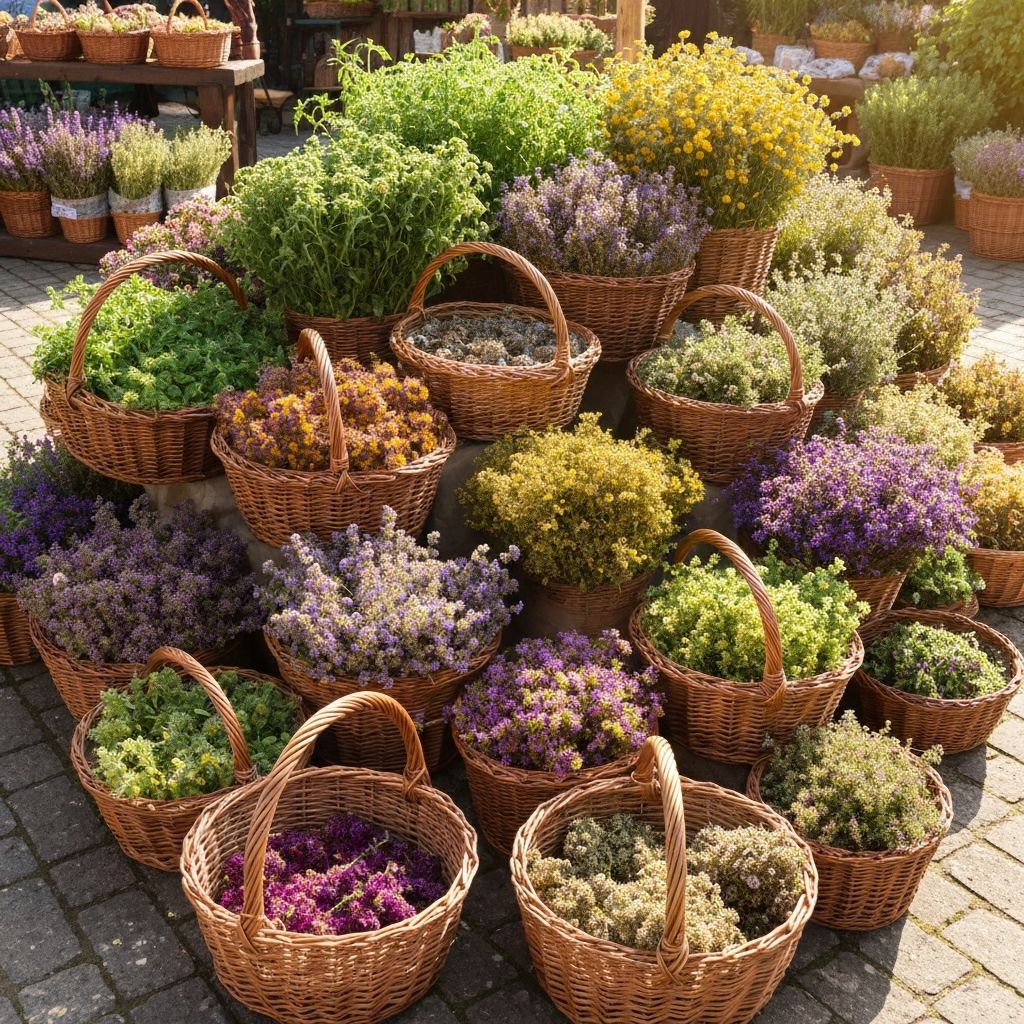
Diverse herbs and plants in traditional setting

Broad View on Natural Plant Sources

Traditional wellness practices recognize the value of diverse plant sources in supporting daily health and comfort. Rather than relying on single plants, traditional cultures developed complex knowledge about multiple botanical options, each with unique properties and applications suited to different seasons, individual needs, and community contexts.

Seasonality and Availability

Central European and Mediterranean traditions emphasize the importance of working with plants available in each season. This approach reflects traditional knowledge about seasonal variations in plant properties and the wisdom of aligning daily wellness practices with natural cycles and local availability of botanical resources.

Balanced Approach to Plant-Based Living

Traditional knowledge supports using a variety of plants rather than focusing exclusively on individual botanical sources. This diversified approach, reflected in folk recipes and herbal combinations, recognizes that overall wellness results from balanced, varied integration of natural plant sources into daily life rather than reliance on single remedies.

Mandatory Context & Limitations

Educational Content Only

This website provides strictly informational and educational content about traditional plants and historical herbal knowledge.

The materials presented on this site do not constitute medical advice, health recommendations, or nutritional counseling. Content describes botanical characteristics, historical uses, and traditional knowledge about Curcuma longa and Tribulus terrestris.

No Medical Claims: Nothing on this website should be interpreted as claiming to diagnose, treat, cure, prevent, or manage any disease, condition, or health concern. The information provided represents historical and cultural knowledge, not medical or scientific assertions.

Individual Variation: Approaches to plant-based wellness vary significantly among cultures, time periods, and individuals. Traditional use does not guarantee effectiveness, safety, or suitability for any particular person. Individual responses to any substance vary based on personal health status, medications, allergies, and other factors.

No Personal Recommendations: This website does not recommend amounts, forms, frequencies, or any specific use of these plants. All decisions about consumption, preparation, or application of any herbal materials should be made independently by informed individuals or, preferably, in consultation with qualified healthcare professionals.

Consult Healthcare Professionals: Individuals with health concerns, those taking medications, pregnant or nursing women, and anyone considering changes to their wellness routine should consult qualified healthcare practitioners before taking any action based on information found here.

Educational Content Only: No promises of outcomes. All content is informational in nature only.